 |
 |
 |
 |

|
|
|
|
Biography
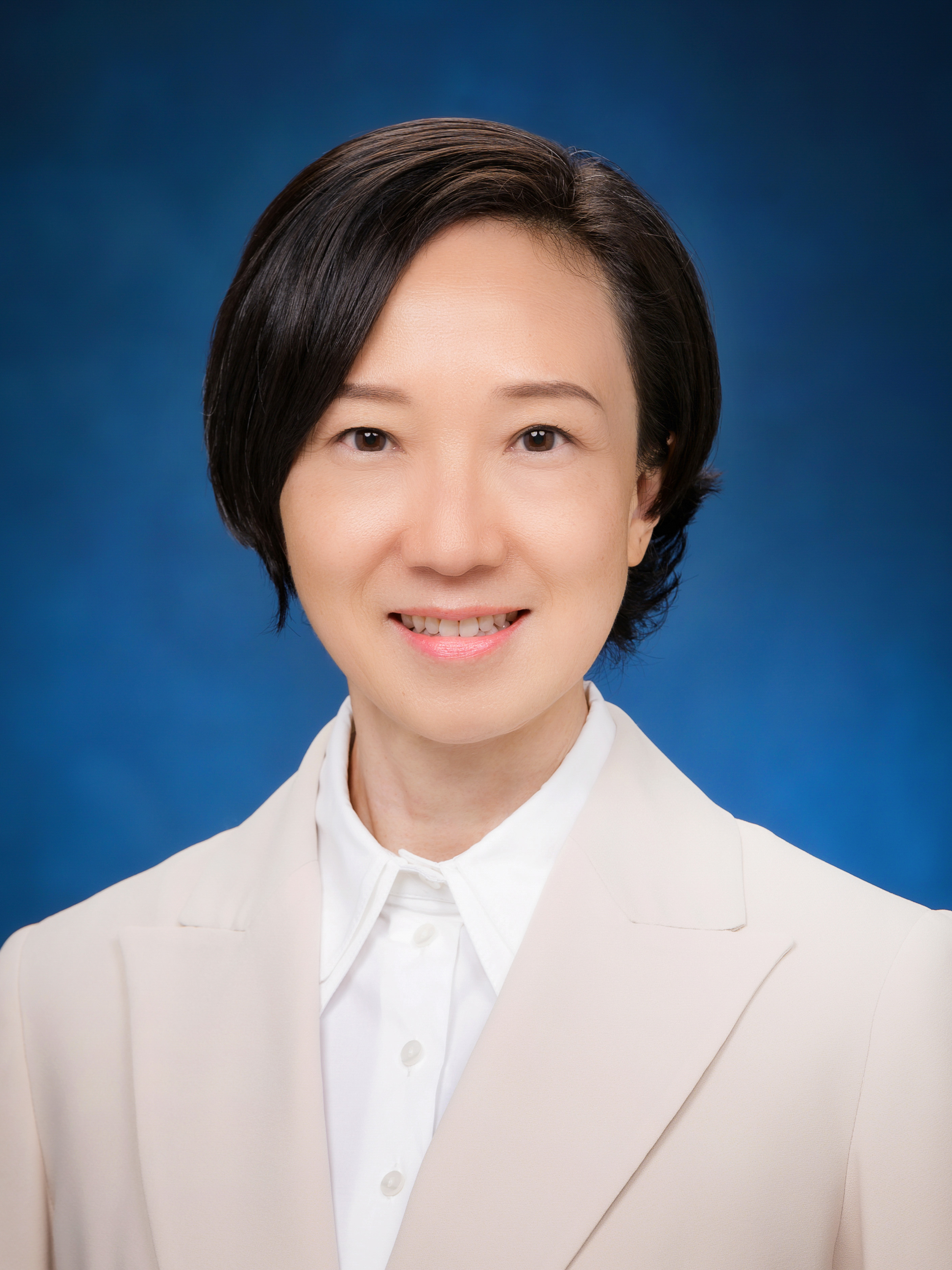
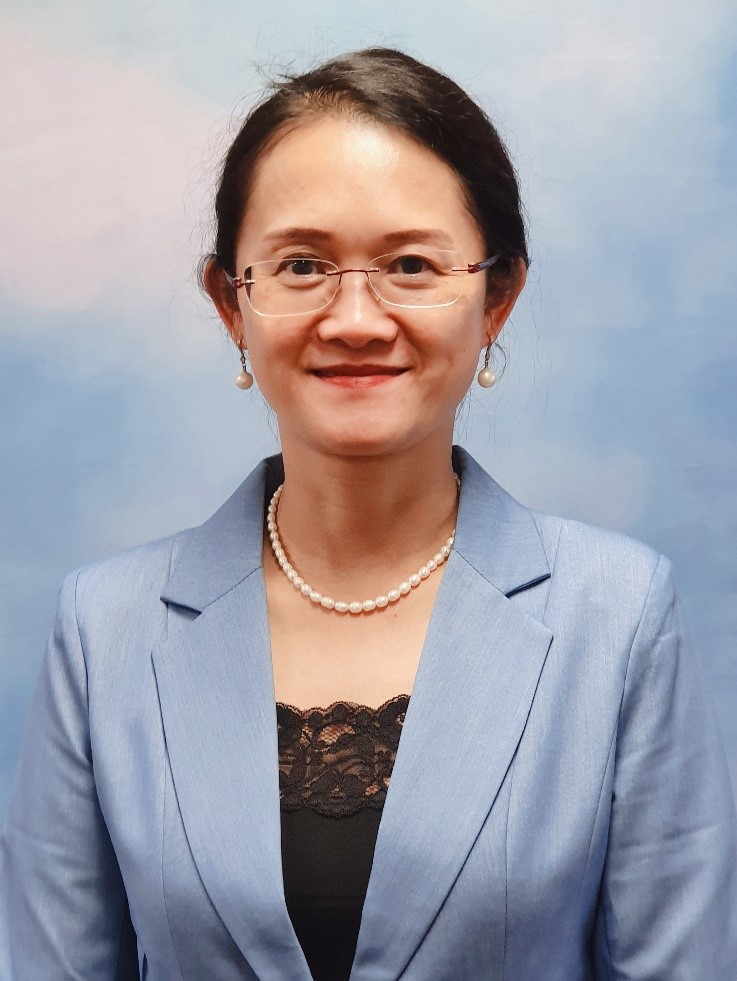
Dr FAN has been the Under Secretary for Health of the Hong Kong Special Administrative Region (HKSAR) since 14 July 2025. She served as the Consultant Family Medicine (Elderly Health Service) of the Department of Health (DH) before the current position.
As a specialist in Family Medicine, Dr FAN had been the Head of Professional Development and Quality Assurance Service of the DH since 2014. Apart from administering the operation of family medicine clinics and elderly health centres, as well as professional training, she took part in coordinating medical posts at quarantine centres during multiple epidemics, including the severe acute respiratory syndrome, human swine influenza and coronavirus disease 2019, demonstrating extensive experience in public health management.
In 2023, Dr FAN led the DH’s medical team to join the search and rescue team deployed by the HKSAR Government in the frontline search and rescue work at the quake-stricken areas in Türkiye. She was recognised with the National Outstanding Individuals in the Foreign Medical Aid commendation by the National Health Commission.
Universal Healthcare Coverage in Hong Kong – The Dual Track System
Biography
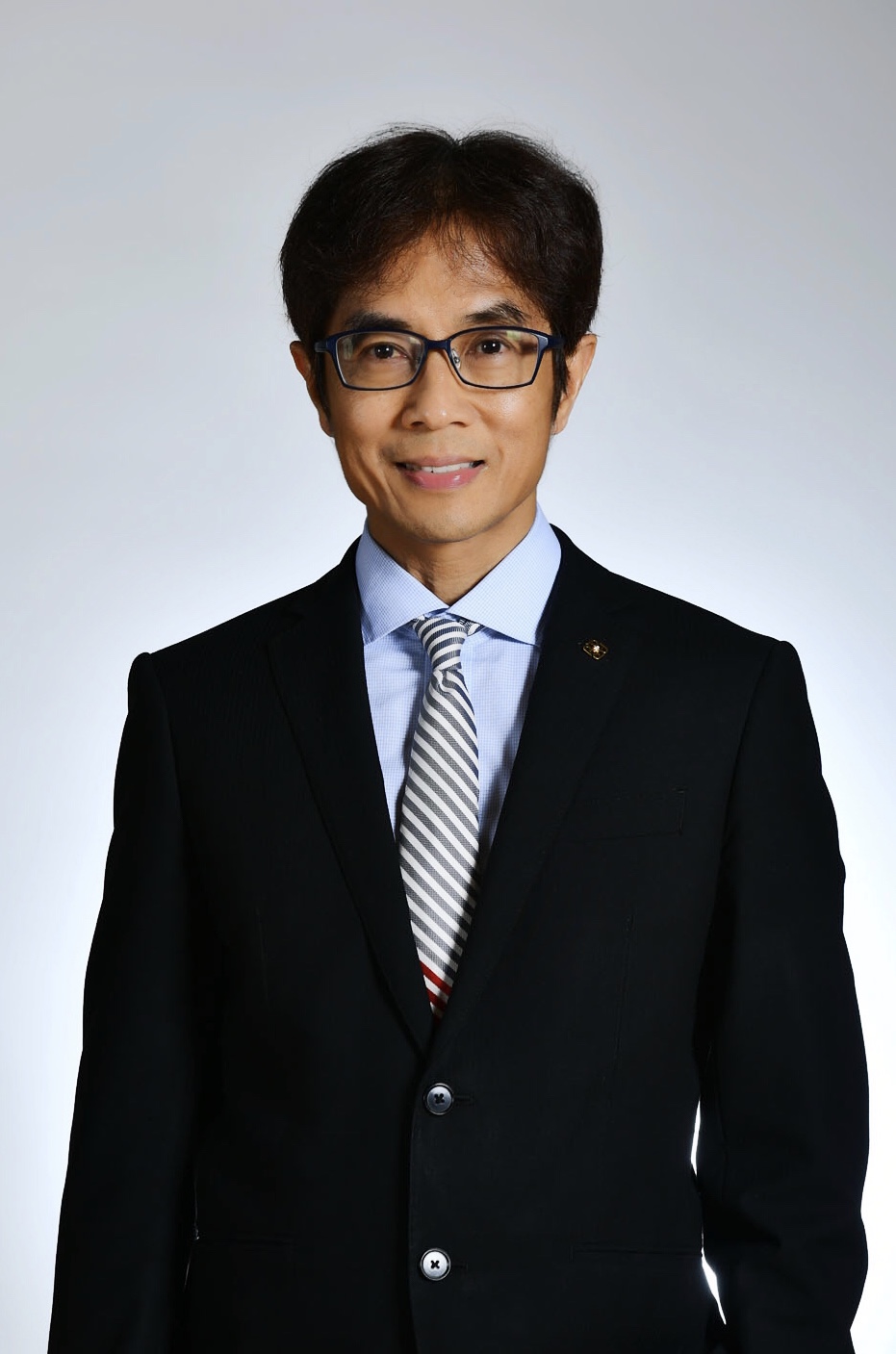
Prof. Peter P. Yuen is Dean of the College of Professional and Continuing Education (CPCE) of The Hong Kong Polytechnic University (PolyU). He is also Professor of PolyU’s Department of Management and Marketing. He received his Bachelor of Arts degree in Cellular and Molecular Biology and Master in Business Administration degree from the State University of New York at Buffalo, USA, and his Doctor of Philosophy degree in Health Economics from the University of Birmingham, UK.
Prior to his appointment as Dean of CPCE, Prof. Yuen held a number of management positions at PolyU, including Associate Vice-President (Management), Director of the Public Policy Research Institute, and Head of the Department of Management. He was also the founding Director of the Doctor of Business Administration programme in the Faculty of Business.
Prof. Yuen’s research mainly focuses on public policy formulation and evaluation, and health services management. He is the Co-Editor-in-Chief of Public Administration and Policy and an Editorial Committee member of Asia Pacific Journal of Health Management. He was also a consultant for the Hong Kong Special Administrative Region (HKSAR) Government and the Bauhinia Foundation on a number of public policy related projects including the West Kowloon Cultural District, Sustainable Built Environment, Subsidised Homeownership, Managed Care in Hong Kong, and Health Systems Reform.
Prof. Yuen is currently the immediate Past Chairman of the Federation for Self-financing Tertiary Education (Hong Kong). He has served as a member of the HKSAR Government Manpower Development Committee, Health and Medical Development Advisory Committee, and the Committee on Self-financing Post-secondary Education. He is a founding Fellow of the Hong Kong College of Health Services Executives, and an Honorary Fellow of the Australian College of Health Services Management. He once served as Vice-President of the Chinese National Institute of Health Care Management Education, and President of the Hong Kong Public Administration Association.
Abstract
The history of Hong Kong’s Universal Health Coverage is examined. The various health financing components are then examined in light of more recent developments -- population ageing and medical inflation. Pressure points in the system and unmet needs of certain socio-economic groups are identified. It points out that the situation is further aggravated by both allocative and technical inefficiencies inherent in both the public and private sectors, creating huge challenges for health system sustainability and meaningful UHC. While the Greater Bay Area has the potential to mitigate some of the problems, there is a need to establish a more formal system to better integrate the various components across the border. Recommendations for the way forward within Hong Kong involve the integration of existing silos, shifting resources away from acute to primary care, and the introduction of a “money follows patients” public resource allocation model to replace the existing block grant allocation arrangement in the public sector. Major reform in private health insurance is also needed. It concludes that greater government stewardship is needed to effect these changes.
Tradeoffs and Strategies in the Quadruple Aim: Lessons from Hong Kong’s Health System
Biography
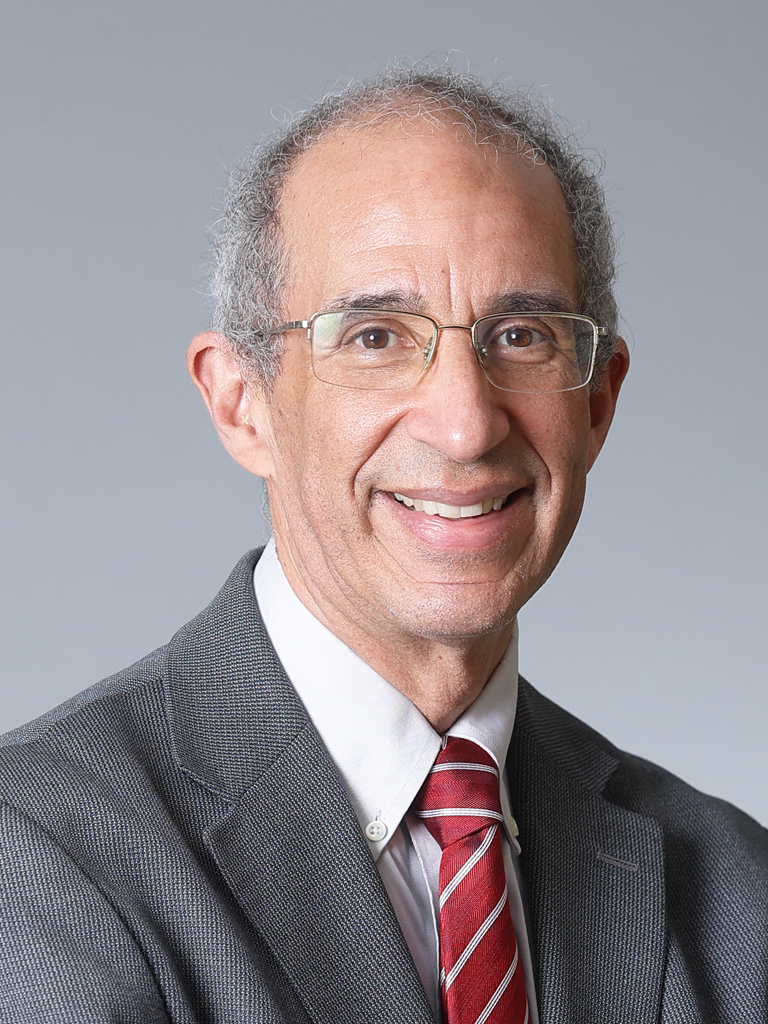
Professor David Bishai is a Clinical Professor in Public Health at the School of Public Health, The University of Hong Kong. He served as Director of the School from 2023 to 2026. Prior to joining HKU, Professor Bishai had served as Professor at the Johns Hopkins Bloomberg School of Public Health for 27 years and served in the government as a health officer for the state of Maryland in 2021.
As a world-renowned educator, researcher, and practitioner, Professor Bishai has made lasting contributions to scholarship. A leading health economist, his research focuses on the performance and financing of global public health activities, primary healthcare, vaccines, and health disparities. He is the author of two books and more than 260 peer-reviewed scientific publications, and has raised USD50 million in grant support from NIH, CDC, World Bank, WHO, ADB and foundations. His award-winning courses on systems thinking and health economics have reached over forty-thousand students. As President of the International Health Economics Association, he helped to establish a global mentoring network for early career researchers. During his government service, he used local evidence to eradicate racial gaps in COVID vaccination.
Professor Bishai maintains certification by both the American Board of Internal Medicine and the American Board of Pediatrics. He received his Bachelor of Arts from Harvard in Philosophy and Physics, his Masters in Public Health from the University of California at Los Angeles, his Medical Doctorate from the University of California at San Diego, and his Doctor of Philosophy from the Wharton Business School at the University of Pennsylvania.
Abstract
Hong Kong's health system ranks among the highest globally in life expectancy, yet allocates only 6% of GDP to health expenditure. Despite these achievements, residents face substantial financial barriers to outpatient care, and the public hospital workforce operates under considerable strain. This paradox reflects the inherent tensions of the Quadruple Aim — improving population health, enhancing patient experience, containing costs, and supporting provider well-being — whose objectives do not naturally converge. Evidence from Hong Kong demonstrates that upstream investments, particularly in tobacco control and preventive care, generate virtuous cycles in which health gains and cost efficiency are mutually reinforcing. Conversely, sustained fiscal restraint has contributed to physician undersupply, prolonged waiting times, and elevated rates of provider burnout. Ongoing reforms — including the Primary Healthcare Blueprint, District Health Centres, and public-private partnerships — represent strategic efforts to restore systemic alignment. Hong Kong's trajectory offers transferable lessons for high-income health systems navigating analogous trade-offs.
Biography
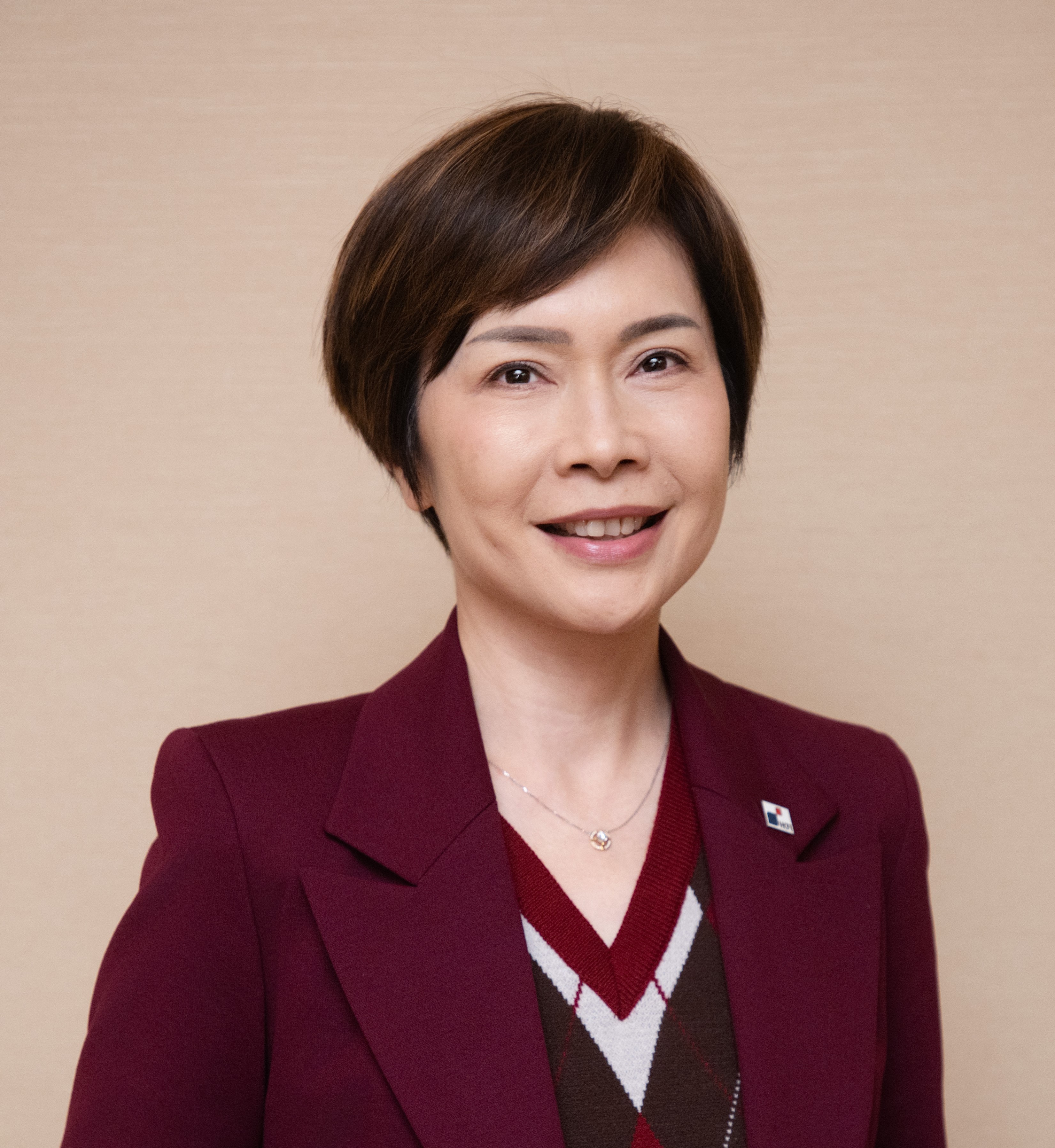
Selina is the Chief Executive of the Hong Kong Federation of Insurers (HKFI), a trade body with 133 insurers operating in Hong Kong which represents over 90% of the market share. Selina has accumulated extensive management and communications experience in the field of insurance since she joined the HKFI in 1997. In addition to overseeing the operations of the HKFI and its 30+ technical committees and various consumer education and communications projects, she also spearheaded a number of significant initiatives for the industry, including the Insurance Fraud Prevention Claims Database, the award-winning Motor Insurance DLT-based Authentication System (MIDAS), the Hong Kong Insurance Awards, etc.
Externally, she is a member of the HKSAR Government’s Shenzhen-Hong Kong Financial Co-operation Committee, Hong Kong Insurance Authority’s Insurance Advisory Committee, and Road Safety Council. She also serves as a member of the Hong Kong Science and Technology Parks’ Data Governance Steering Committee, International Data Industry Alliance Council, Capacity Building Working Group under the Centre for Green and Sustainable Finance and Insurance Training Advisory Committee of the Qualifications Framework. She has been appointed by the Hong Kong Tourism Board as the Hong Kong Convention Ambassador.
Ms Lau is appointed by the Lingnan University as a Member of the Advisory Board on Risk and Insurance Management. At the same time, Ms Lau also serves as a Member of HangSeng University’s Executive Master of Science in Insurance Programme Advisory Committee.
On the international front, Ms Lau serves the East Asia Insurance Congress (EAIC) as Secretary & Treasurer. She is also a member of the Nomination Committee and Education Forum of the International Union of Marine Insurance (IUMI). In 2021, 2022 and 2024, Ms Lau has been elected Asia’s Elite Women in Insurance Industry by the Insurance Business Asia.
Ms Lau holds a Bachelor of Arts Degree from the University of Hong Kong, majoring in English and Translation. She also acquired a Master Degree in Communications and New Media at the City University of Hong Kong. She is a graduate of the seventh class of the Chinese Academy of Governance (Hong Kong).
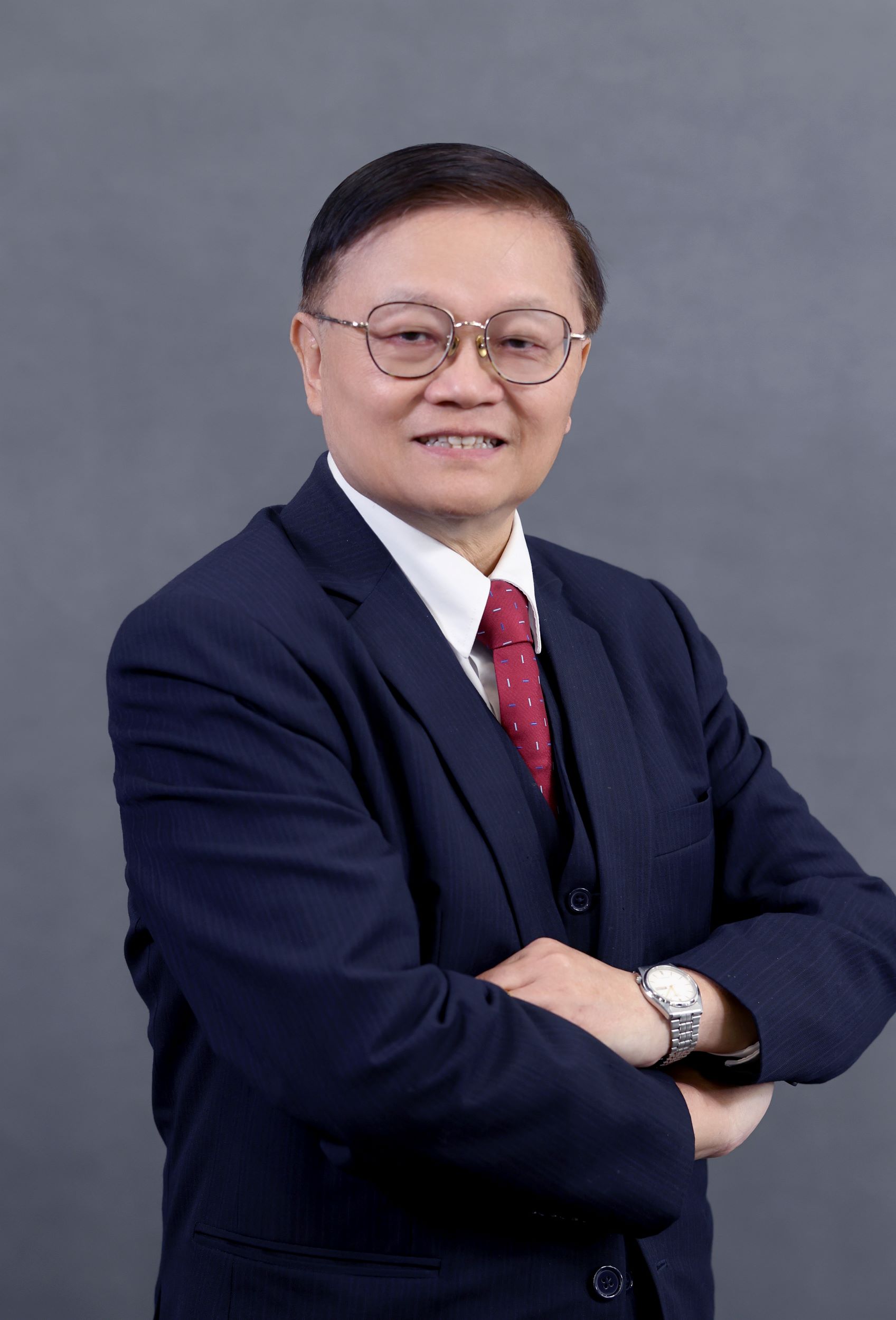
Biography
Prof. Ben Fong, a specialist in community health, is the Professor of Practice in the Faculty of Health and Social Sciences at PolyU and the Director of the Centre for Ageing and Healthcare Management Research at CPCE.
Prof. Fong received his medical training at the Royal Prince Alfred Hospital of The University of Sydney, Australia, where he was also awarded the Master of Public Health degree in 1989. He has also achieved post-graduate qualifications in Medical Administration, Community Medicine, Family Medicine and Occupational Medicine. Ben has taught Medical, Nursing and Chinese Medicine students, and supervised postgraduate candidates in Public Health, Family Medicine and Healthcare Management for years. He has honorary appointments in Family Medicine at both The Chinese University of Hong Kong (CUHK) and The University of Hong Kong, as well as in the School of Chinese Medicine, the Hong Kong Institute of Integrative Medicine, and Hong Kong Institute of Asia-Pacific Studies at CUHK. He is also an Adjunct Professor in Public Health & Tropical Medicine in the College of Public Health, Medical and Veterinary Sciences at the James Cook University, Queensland, Australia.
In over forty years of his professional career, Prof. Fong has served in public, private and university healthcare facilities both in Hong Kong and Sydney. He has commissioned and managed two local hospitals, including Ruttonjee Hospital and a new private hospital, Union Hospital. He has also served as the Director of University Health Service of CUHK, and as the Deputy Medical Superintendent of Prince Henry Hospital, a teaching hospital of the University of New South Wales, Australia. Academically, he has contributed to publications, books and public talks, particularly in community health.
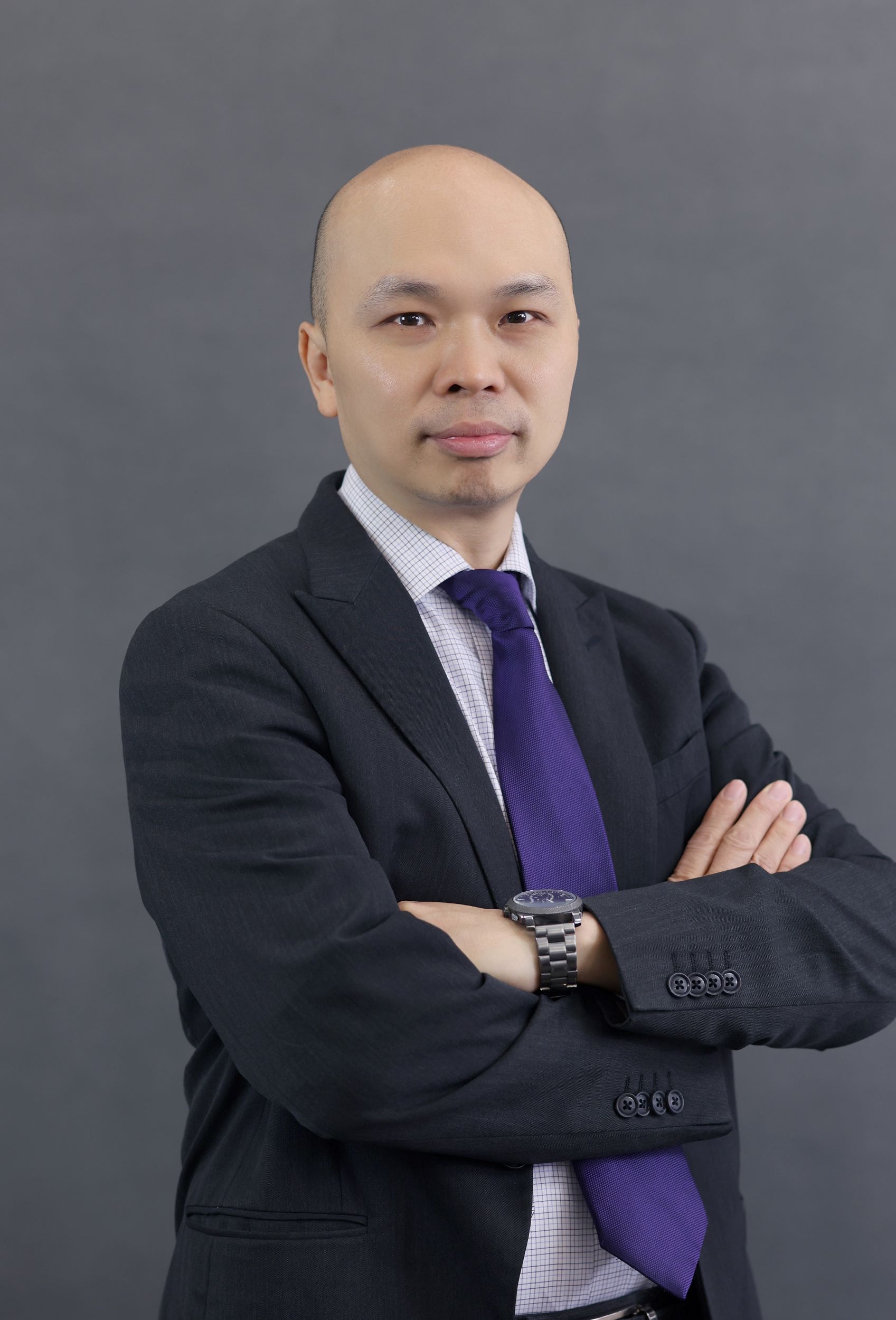
Biography
Dr Wilson Kwan received his Bachelor of Science in Computational Mathematics and Operations Research, and Master of Philosophy in Image Processing from The University of Hong Kong at the Department of Mathematics. Moreover, he has earned his PhD degree in Financial Time Series Analysis from The University of Hong Kong at the Department of Statistics and Actuarial Science.
Prior to joining HKCC, Dr Kwan taught in The University of Hong Kong (HKU), The Hong Kong Polytechnic University (PolyU) and The Hong Kong University of Science and Technology (HKUST). He was also invited to be a visiting lecturer for a post-graduate programme in PolyU at the Department of Logistics. Dr Kwan was a visiting lecturer in HKCC between 2003 and 2006.
Dr Kwan has taught several courses including Business Statistics, Quantitative Methods, Engineering Mathematics, Simulations, Time Series Analysis, and Management Science.
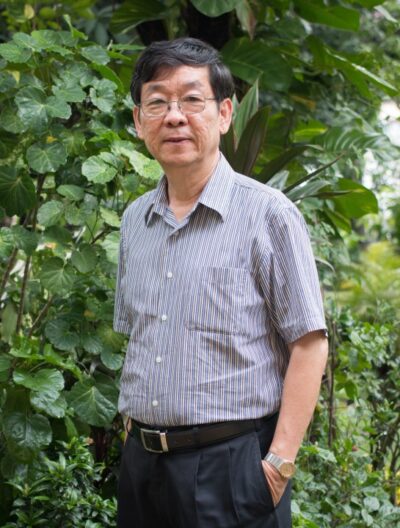
Challenges of Thai UHC after 20 years
Biography
Dr Somsak Chunharas formerly served as Deputy Minister of Health for Thailand and is currently President of National Health Foundation in Thailand, an NGO promoting and coordinating evidence-based health policy and system development. Throughout his career in the Ministry of Health, Dr. Chunharas directed several offices of the Ministry of Public Health, focusing on international health, health policy and system development, international collaboration, health manpower development, and the Bureau of Health Policy and Strategies. He was the founding director of the Health System Research Institute. Dr. Chunharas also pioneered a team working on health economics and health financing capacity building which led to various health reform initiatives over the last 30 years, such as a health promotion fund and the development of the Thai universal health care system. He was recently a Menschel Senior Leadership Fellow at the Harvard T.H. Chan School of Public Health in 2017.
Abstract
Thai UHC was completed in 2002 with the adding of UCS (universal coverage scheme) to the existing 2 smaller systems already covering around 30% of the population. The tax-based UCS allowed the inclusion of “the poor and those in the informal employment, rich and poor”. This was a big policy shift in public finance for health where the poor earlier benefited from the indigent card policies thru “budget allocated to the MoPH for more than 30 years before the UCS started. The UHC Act established a “strategic purchasing organization” - NHSO (national health security Office) as a semi-public organization to purchase services from providers, public and private, with a very comprehensive benefit package. the UCS started amidst hopes and fear from all sectors. it has grown in terms of budget and effective coverage with preventing household bankruptcy from catastrophic illnesses and overall reduction of private share in overall health expenditure as 2 key impacts among others. however it has also faced increasing challenges from public providers facing HRH shortage and burnouts along with increasing pressure to allow “users charge” to add to the “marginal if not negative” payment from UCS. Populist policy allowing “free services anywhere” has brought increasing workload to tertiary care facilities. Thai health systems has evolved over 7 decades with emphasis on primary health care and the public sector has been playing crucial roles in serving the majority of the Thai population with strong district health systems working with communities and multiple sectoral partners. the national policy has also emphasised good health as well being rather than only more access to care. Health promotion and development of “healthy public policies” advocated and supported by another 4 major health systems and policy players. The importance of health systems based on primary health care, with continuous systems redesign health promotion and healthy public policies all play important parts in determining the future of Thai UHC with UCS being the core sub-systems. With the rapid and ever changing of the broader socio-economic and political context - aging society, new technologies with high benefits and high cost, populist politics, climate changes and other environmental challenges on health, including potential global pandemics, there are already serious needs for rethinking and redesigning health systems in all fronts that will eventually have impact on UHC. Addressing financing challenges alone will be not only a short term fix, if not impossible, but more importantly create a huge lost opportunities to evolving towards a future-proof, and resilient health systems.
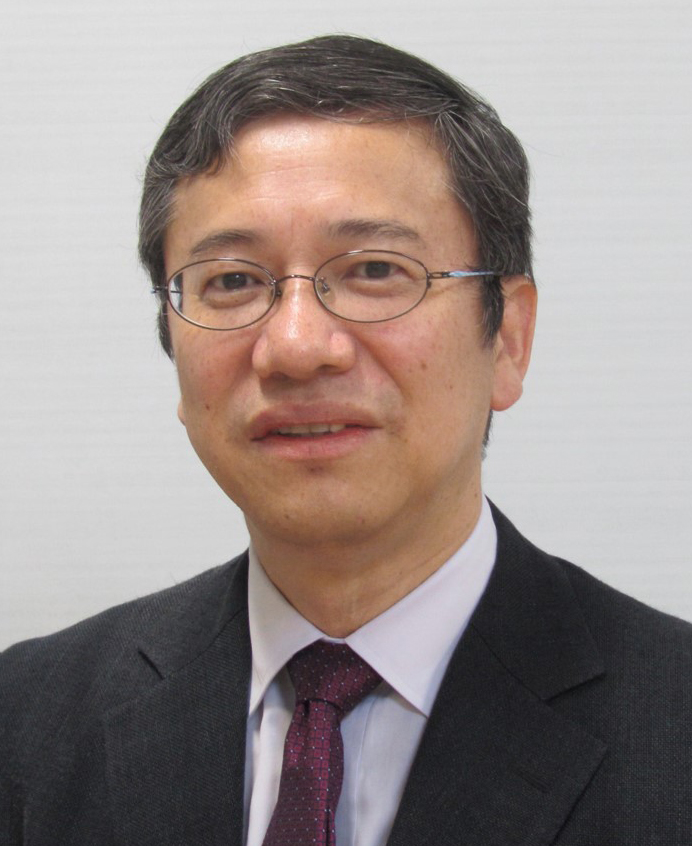
Universal Health Coverage: Perspectives from Policy, Health Economics, and Quality of Care
Biography
Prof. Hasegawa is a Professor Emeritus at the Toho University School of Medicine of Japan. He had his medical education at the Tokyo University School of Medicine, where he also received his Doctor of Philosophy. He was previously a Resident at the Tokyo University Hospital in Internal Medicine.
He is a member of the Japanese Society of Public Health, Japanese Society of Hygiene, Japanese Society of Transplantation, Japanese Society of Hospital Administration, and Japanese Society of Healthcare Management. He also holds membership of the following specialist councils or committees: Ministry of Labour, Health and Welfare, Committee on Disclosure of Healthcare Information, Committee on the Administration of Healthcare Organisations, Cabinet Office Council for Regulatory Reform, Office for the Promotion of Regulatory Reform and Private Finance Initiative, Japan Council for Quality in Health Care Center for Medical Accident Prevention (vice-chair).
Prof. Hasegawa’s research background includes health policy, health economics, and quality assessment of health care.
Abstract
East Asian countries are commonly facing the dual challenges of population aging and declining birth rates. In Japan, both the number and proportion of older adults are projected to increase until around 2040, when the second baby-boomer generation reaches old age, after which they are expected to stabilise.
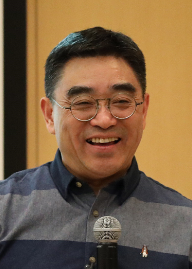
In an aging society, it is unrealistic for all regions to uniformly achieve nationally defined standards. Rather, each region should identify its priority health issues, build consensus on these priorities, and develop and monitor context-specific action plans. Establishing a robust information infrastructure and fostering human resources to support these processes have become urgent policy priorities.
One common issue that should be addressed across all regions is emergency care for older adults. In many cases, elderly patients presenting to emergency departments have relatively mild conditions. Without appropriate gatekeeping, this places excessive strain on tertiary emergency care centers. Furthermore, insufficient coordination with home-based care and long-term care facilities often results in unnecessarily prolonged stays in emergency departments, leading to functional bottlenecks. Because older adults frequently receive care from multiple providers, standardisation of medical information and the development of interoperable data systems are essential.
To date, Japan’s health policy has focused on expanding healthcare delivery capacity to meet increasing demand, particularly by ensuring sufficient numbers of healthcare professionals across occupations. However, such an approach is no longer sustainable. Reform of the healthcare delivery system is unavoidable. Looking toward 2040, the key will be to recognise the healthcare workforce as the primary limiting factor and to identify the optimal mix of services deliverable within this constraint. Traditionally, staffing standards have been used to ensure the quality of care; however, with the advancement of digital technologies, including eHealth and digital transformation (DX), there is a growing trend toward greater flexibility in staffing requirements. The promotion of these technologies should be further accelerated in this context.
This presentation will examine the sustainability of Japan’s universal health coverage system, with a particular focus on human resources and community-based healthcare.
Universal Healthcare in Chinese Mainland
Biography
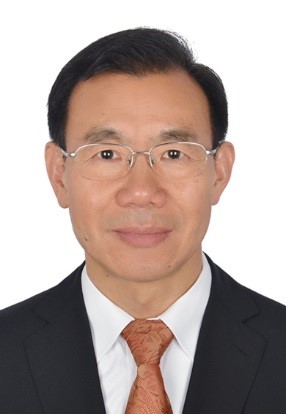
Prof. Gordon G Liu, Peking University BOYA Distinguished Professor of Economics, Dean of Peking University Institute for Global Health and Development, and a fellow of the Chinese Academy of Medicine.
Prof. Liu also serves as the Director of PKU China Center for Health Economic Research, and Chair of the Academic Committee for the PKU Institute of Educational Economics. He has held many distinguished roles in public services, including co-organising the “US-China Track II Dialogue on Health”, serving on the China State Council Health Reform Advisory Commission; associate editor for SCI academic journals of Value in Health (2001-2012), Health Economics (2013 -); and China Economic Quarterly (2013-2017), the Editor-in-Chief for China Journal of Pharmaceutical Economics (2006 -). Prof Liu obtained his PhD in Economics in 1991 from the Graduate Center at the City University of New York, under the supervision of Professor Michael Grossman. In 1994, he completed his postdoctoral training in health economics from Harvard University, under the supervision of Professor William Hsiao. Prior to joining Peking University, he was on fulltime faculty at University of Southern California, and University of North Carolina at Chapel Hill, and Peking University Guanghua School of Management. He was the 2004-2005 President of Chinese Economists Society (CES), and the 2004-2006 President of the ISPOR Asian Pacific Contortion.
Currently, he is leading two major global health projects: 1) The Planetary Health Axis System (PHAS), an AI driven large model of the multi-axis digital system, aiming to track the global development dynamics and the human footprints against the planetary boundaries; 2) The Survey of Medical Assessment for Robotic Technology (SMART), a nationally multicentered economic panel study on robotic surgeries compared to conventional approaches.
Abstract
TBC.
Universal Healthcare in China – Recent Reforms in Greater Bay Area
Biography
MD, Ph.D., Professor, Doctoral Supervisor. Currently serving as Vice President of Guangzhou Medical University. A core member of the third batch of Huang Danian-style teacher teams nationwide. Director of the Key Laboratory of Philosophy and Social Sciences of Guangdong Universities for "Health Governance Based on Big Data Utilization". Outstanding Talent in Medical and Health Care (General Practice) of Guangzhou. Visiting scholar at the University of Wales in the UK, and the University of Maryland in the USA. He has long been engaged in teaching and scientific research in forensic medicine and general practice, as well as health management and related research. He has published more than 100 papers in domestic and foreign journals such as Cell Reports and Cell & Bioscience. He has edited 8 textbooks and works, and also has participated in compiling more than 20 other works on general practice, primary care, public health and forensic medicine. He has won 5 scientific and technological awards including the First Prize of Guangdong Province Science and Technology Progress Award, and six teaching awards including the Second National Award for Textbook Construction (Second Prize for Excellent Textbooks) and the First Prize of Guangdong Provincial Teaching Achievement Award.
Abstract
Against the backdrop of advancing Universal Health Coverage (UHC) globally and the strategic integration of the Guangdong-Hong Kong-Macao Greater Bay Area (GBA), this study focuses on the latest reforms of China’s universal healthcare system in the GBA, a national pilot zone for institutional innovation and high-quality medical resource sharing. Constrained by the "One Country, Two Systems" framework, heterogeneity of legal systems, and fragmented medical insurance mechanisms, the GBA has carried out all-round cross-border healthcare collaboration covering health promotion, prevention, treatment, rehabilitation, and palliative care. Practices include cross-domain tobacco control, joint chronic disease management with AI empowerment, equal public health services for Hong Kong and Macao residents in the Chinese Mainland, cross-border medical treatment direct settlement, innovative Hong Kong-style general practice and hierarchical diagnosis and treatment, introduction of innovative drugs and medical devices, cross-border rehabilitation standard unification, and whole-life-cycle palliative care cooperation. By drawing on international experience from the EU, Singapore, and the US-Mexico border, the GBA has promoted the integration of medical standards, cross-border payment connectivity, and digital health empowerment, initially forming a full-chain closed-loop UHC pattern with progressive fusion and integrated traditional Chinese and Western medicine. At present, challenges such as ununified cross-border standards, insufficient data interoperability, and unequal benefit coverage still exist. In the future, the GBA will promote the regularisation of rules, trustworthy data sharing, inclusive and equitable policies, and evidence-based scientific assessment, evolving from convenient initiatives to systematic and integrated high-quality healthcare integration. It aims to build a people-centered, resilient regional health governance model with replicable experience, seeking the greatest common denominator of health under institutional differences and providing a reference for Asia-Pacific and global UHC development.
Universal Healthcare in South Korea – Lessons for the Asia-Pacific Region
Biography
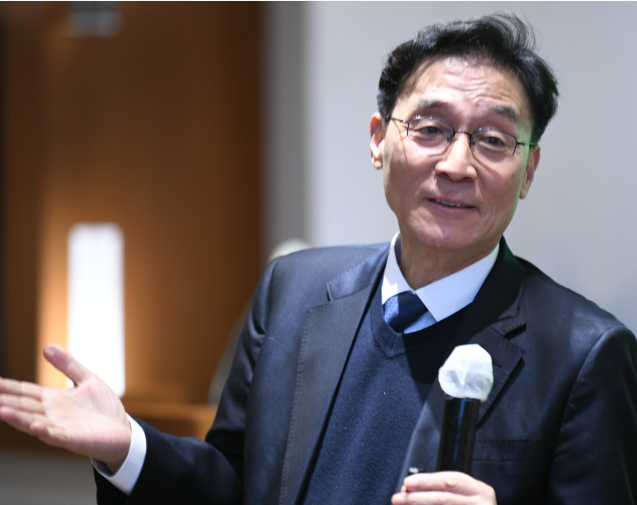
Prof. Dongwoon HAN, MD, MPH, PhD is a Professor and Director of the Center for Global Health and Development, the Institute of Health Services Management, Hanyang University. He previously served as a faculty member of the College of Medicine, Hanyang University, and since 2024 has held an appointment as International Faculty of Eminence at Datta Meghe Institute of Higher Education and Research, India. He holds a medical degree from Hanyang University, an MPH from Seoul National University, and a PhD in health service management from the University of Birmingham, United Kingdom.
His work spans health policy research, provider payment reform, and integrative medicine. He maintains an active research programme on traditional and complementary medicine use across diverse populations and settings, with publications in journals including BMJ Global Health, BMC Complementary Medicine and Therapies, Frontiers in Pharmacology, and Cancers. He remains actively engaged in policy advisory roles with the Korean central government, Seoul Metropolitan Government, and local governments on health system strengthening and health planning. Internationally, he has undertaken WHO consultancies and ODA assignments across Asia, Africa, the Middle East, and Latin America. He serves on the editorial boards of and as a peer reviewer for international journals including BMC series journals, The BMJ, and Frontiers.
Abstract
Universal health coverage (UHC) in Asia-Pacific is increasingly assessed not only by population enrolment, but also by sustainable financing, strategic purchasing, and financial protection. Korea offers a distinctive case. After introducing mandatory health insurance for large-firm employees in 1977, it achieved universal population coverage in 1989 and consolidated multiple insurance societies into a single national insurer in 2000. Yet Korea's experience also shows that rapid coverage expansion does not automatically ensure adequate financial risk protection.
This paper synthesises Korea's UHC trajectory through three dimensions: breadth of population coverage, depth of service coverage, and height of financial protection. Compulsory enrolment, family-based membership, resident registration systems, subsidies for the self-employed, mandatory provider participation, and single-payer consolidation enabled rapid expansion while strengthening risk pooling and administrative efficiency. The National Health Insurance Service and the Health Insurance Review and Assessment Service further enhanced claims review, quality assessment, and strategic purchasing.
Korea's early model, however, prioritised breadth over depth and height. Low contributions, limited benefits, high cost-sharing, extensive non-covered services, fee-for-service incentives, and a predominantly private provider market constrained financial protection. A brief comparison with Taiwan highlights that benefit design and cost-sharing structure are central determinants of protection against catastrophic payments.
For Asia-Pacific health systems, Korea is neither a model to adopt uncritically nor a cautionary tale to dismiss. Its core lesson is that durable UHC requires deliberately balancing population coverage, benefit depth, and financial protection from the outset—and sustaining that balance over time.
The Role and Implication of Telemedicine in Universal Health Coverage
Biography
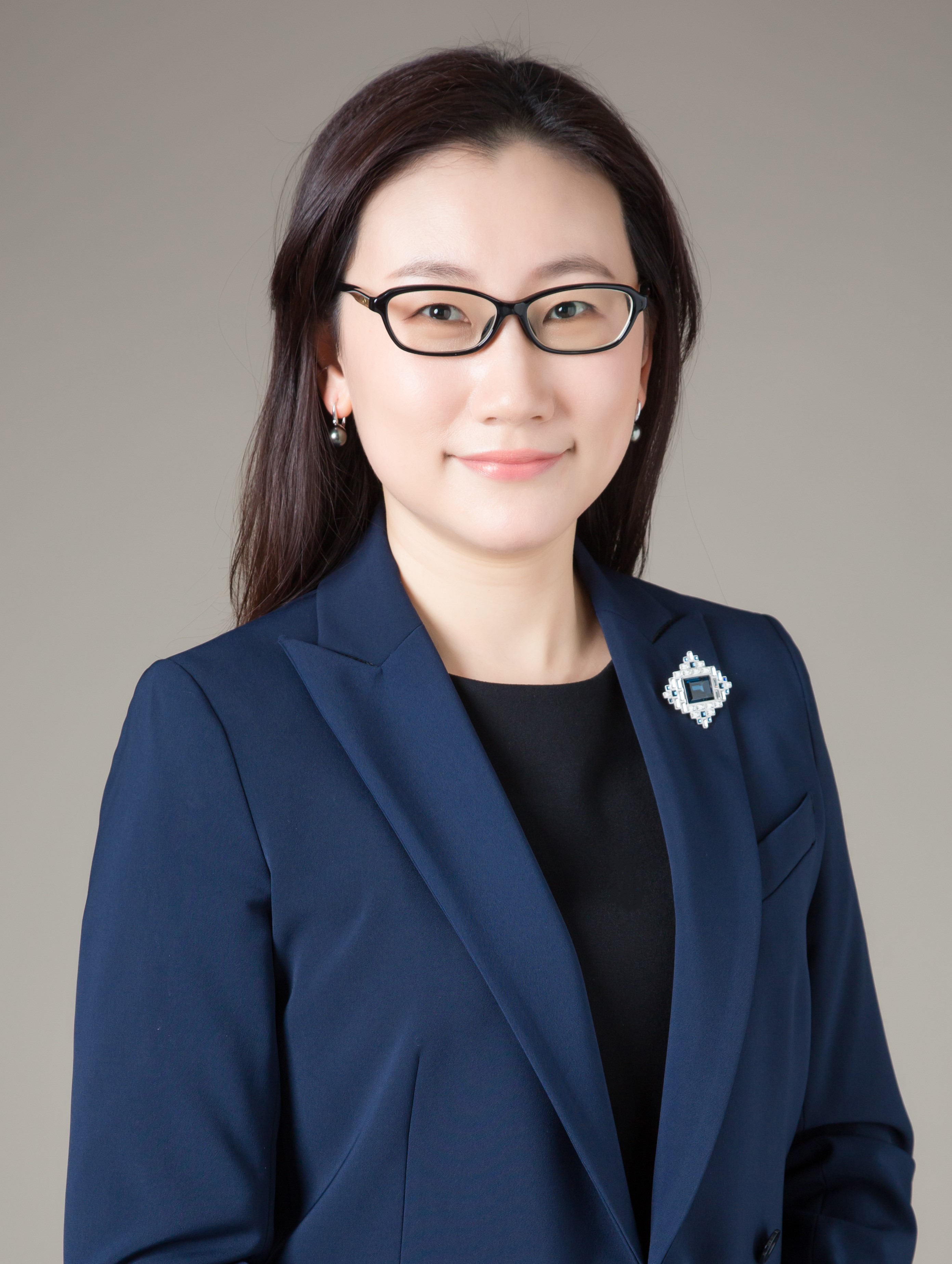
Professor ZHANG, Hui is Professor in the Department of Health Policy and Management, School of Public Health, Sun Yat-sen University in China. Her research interests are health policy evaluation, health insurance reform, economic burden of diseases, and telemedicine evaluation. She is now the committee member of Health Insurance Committee of China Health Economics Association; the member of Public Economics Committee of China Health Economics Association; and the member of Health Economics Association of Guangdong Province. She has got more than 10 grants including the National Natural Science Foundation of China; the Natural Science Foundation of Guangdong Province; China Medical Board Open Competition Research Project, and published more than 50 international and domestic journals such as Social Science & Medicine, Health Policy and Planning, Journal of Healthcare Leadership, Journal of Medical Internet Research and others.
Abstract
Universal health coverage (UHC) means that all people have access to the full range of quality health services they need, when and where they need them, without financial hardship. As digital health develops rapidly, the question is how to translate “coverage” into effective and sustainable access to care. Telemedicine, as an important form of digital health, offers new possibilities for reorganising service delivery, improving patient experiences, and increasing the efficiency of resource allocation. Telemedicine could not only add an online consultation channel, but also use digital connectivity to bridge geographical distances, link specialist expertise with primary care, and support models of continuous care. Telemedicine can be considered as a tool for improving access to health services within UHC.
This presentation will discuss the role and implication of telemedicine in UHC through three main pathways. First, in terms of access to health services, telemedicine can extend remote consultation, specialist diagnosis, follow-up care, and emergency support to primary care facilities and resource-limited areas. Second, regarding quality of care, telemedicine may improve responsiveness, patient experiences, continuity of care, online-offline integration, and coordination between higher-level hospitals and primary care facilities. Third, in terms of financial risk protection, telemedicine might reduce patients’ indirect costs, including travel, accommodation, and time costs, while also support more cost-effectiveness models. Three studies from China will be used to illustrate how telemedicine may improve access to health services, quality of care, and financial risk protection. China’s experiences suggest that telemedicine could be considered as a system-level instrument for advancing UHC.
Universal Health Coverage Challenges Across the Region: An Australian Primary Care Case Study
Biography
Professor Zhanming Liang is an internationally recognised scholar and academic leader specialising in health management competency, digital health workforce development, and health systems leadership. She is Associate Dean (Research Education) and Academic Head (Governance, Management and Tourism) in the College of Business, Law and Governance at James Cook University. Her research has established foundational models and globally validated frameworks, including the widely adopted Management Competency Assessment Program (MCAP) tool, with strong translational impact across diverse health systems.
Professor Liang has an extensive publication record and leads major national and international workforce development initiatives, most notably the Commonwealth-funded National Commissioning Training Program, which integrates contemporary theory, empirical evidence, and practice-based learning. She brings a distinctive career spanning clinical practice, senior health service management, and academia, enabling her to bridge research, policy, and practice. Her sustained international leadership is reflected in long-standing multidisciplinary collaborations, doctoral supervision across multiple countries, editorial roles in leading journals, and her service as President of the Society for Health Administration Programs in Education (SHAPE).
Abstract
Universal health coverage is often framed primarily as a question of insurance and entitlement; however, the Australian experience suggests that the more demanding challenge emerges after coverage is achieved - sustaining a primary care system that remains affordable, accessible, coordinated, and equitable. Australia has achieved notable success through long-standing Medicare coverage, a strong general practice foundation, and high levels of public trust in primary care, yet persistent challenges remain, including rising out-of-pocket costs, workforce shortages and geographic maldistribution, fragmented federal-state responsibilities, and a predominantly episodic model of care. These pressures disproportionately affect Aboriginal and Torres Strait Islander peoples, culturally and linguistically diverse communities, people living with chronic illness, and populations in rural and remote areas.
This presentation uses Australia as a case study to examine both the strengths and the limitations of a mature universal health coverage system and provides a brief Asia-Pacific comparison situates Australia within a broader regional context in which the performance of universal health coverage increasingly depends on financing design, workforce capacity, service integration, and system resilience. Australia illustrates that the next phase of universal health coverage lies not only in sustaining entitlement, but in strengthening primary care so that coverage is translated into equitable care in practice.

Associate Professor Dr Jukkrit WUNGRATH
Primary Health Care: The Parts of Universal Health Coverage in Thailand
Biography
Dr Jukkrit Wungrath is a distinguished academic and researcher currently serving as the Associate Professor, ASEAN Institute for Health Development (AIHD), Mahidol University, Thailand. He was the Head of the Department of Public Health at the Faculty of Public Health, Chiang Mai University. Dr Wungrath's primary areas of research expertise include vulnerable populations health, ethnic minority health, maternal and child health, and community nutrition.
Abstract
Thailand’s achievement of Universal Health Coverage (UHC) in 2002 stands as a monumental milestone in global public health and health equity. However, the sustainability and operational effectiveness of this achievement were not built overnight, nor are they sustained by financing alone. The true engine driving Thailand’s UHC success is its deeply rooted Primary Health Care (PHC) system, which was systematically developed over decades preceding the introduction of comprehensive health insurance. This presentation explores the dynamic and critical intersection between PHC and UHC, illustrating how Thailand serves as a model for translating policy into actionable grassroots health development.
The presentation will begin by establishing the historical context, highlighting how early and sustained investments in rural health infrastructure and the equitable distribution of the multidisciplinary health workforce laid the indispensable groundwork for UHC. Rather than viewing UHC strictly through the lens of a health financing mechanism, this session examines how Thailand strategically leverages its primary care architecture to translate financial risk protection into accessible, comprehensive, and high-quality service delivery.
A significant portion of the presentation will delve into the structural and financial synergy between UHC’s strategic purchasing—particularly the use of capitation payment models—and the decentralised provision of care. Attendees will be guided through the operational frameworks of the District Health System (DHS) and the Contracting Unit for Primary Care (CUP), exploring how these entities effectively manage resources and ensure that primary care reaches the most vulnerable populations.
Furthermore, the session will emphasise the critical role of community empowerment, civic engagement, and participatory governance within the Thai health system. A central focus will be placed on Thailand's renowned Village Health Volunteers (VHVs). We will explore how this robust network bridges the gap between formal healthcare facilities and local communities, acting as a driving force in proactive health promotion, disease prevention, and grassroots health resilience.
Finally, the presentation will address contemporary challenges facing the Thai health system, including the rapid demographic shift toward an aging society and the escalating burden of non-communicable diseases (NCDs). We will discuss ongoing service delivery reforms, such as the development of Primary Care Clusters (PCCs), aimed at strengthening the PHC system to meet evolving health needs. Ultimately, this presentation provides a comprehensive conceptual framework, demonstrating that a resilient, well-financed, and community-centric primary care system is not merely a component of UHC, but its foundational pillar.